
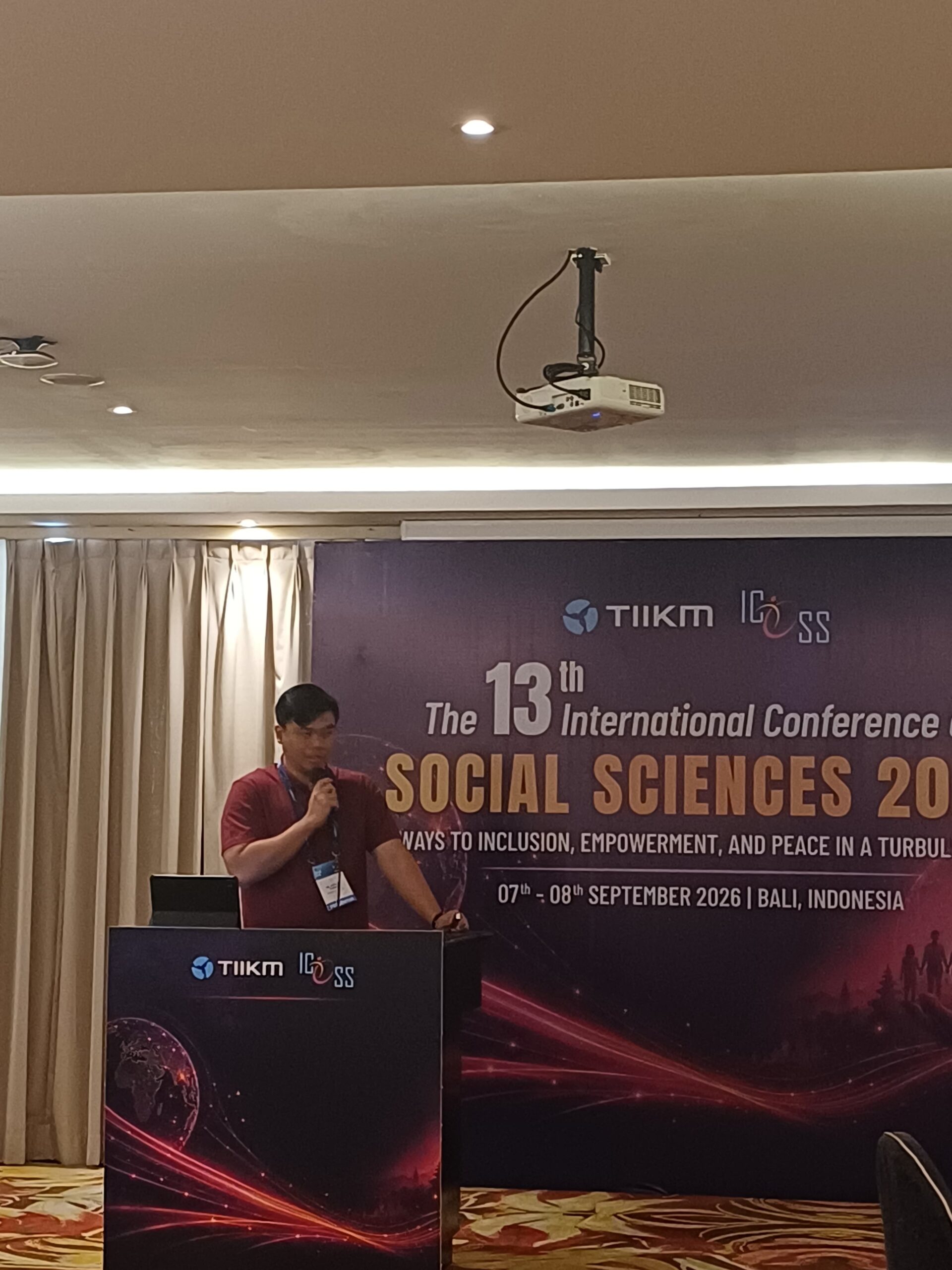
Basagita.com warmly welcomes the suggestion to continue its research to explore the identity of the Catholic Minority in Muntilan. After presenting findings on the challenges of microfinance institutional implementation for the Catholic minority in Muntilan, Basagita.com has been asked by several global researchers to explore how the Catholic minority in Muntilan shapes its identity.
Ardiyanto Pramono, executive director of Basagita, mentioned that the Chinese Catholic Minority research in Muntilan was actually done by Astrid Salsabila from UGM. Nonetheless, Ardiyanto Pramono sees an opportunity to explore the theme differently, especially through codification and personal interviews that target how the Catholic Minority sees itself as individuals and as a group.
Although the research has not started, Ardiyanto Pramono has interacted with the community for a long time. From Ardiyanto’s perspective, the Catholic minority in Muntilan has some uniqueness; for example, they actively promote religious tolerance. The reason they promote religious tolerance and even acculturation with local wisdom is actually rooted in the reality that there is no incident or grudge that started the mass conversion of the Catholic minority in Muntilan.
Early Finding : Natural Transition in the Catholic Minority in Muntilan
“They became Catholic through education. They do not hate something and then convert to Christianity. From our early observations, their reasons came from their daily experiences in Catholic schools, which at the time were their best educational options. Through these daily experiences, some became comfortable and wanted to officially join the religious community. After they joined, they weren’t in a rush to understand their religion. They do it passionately, following the Mass, the rituals, and the traditions, internalising the experience of being Catholic instead of being forced. Due to this experience, they form a new identity. They do not leave their old culture or habits; elements of animism, Hinduism, or other local beliefs still shape how they practise Catholicism, and it rarely triggers controversy, though the possibility of making it a public debate is always there. Nonetheless, that is not what happened since they still want to live harmoniously with the non-Catholics around them, whom they still consider their brothers and sisters, though they no longer share the same faith,” said Ardiyanto.
Another thing to notice is that their tolerance with different religious people are magnificent. They rarely have issues with interfaith marriage. Some of them might convert to another faith, but it does not mean they are leaving the Catholic faith de facto. Some are also comfortable keeping their identities separate as a married couple and as religious followers.
The Border Between Identity
“In some beliefs, marriages can be something sacral and part of the manifestation of their faiths. I think this is not the case for the Muntilan Catholics; they keep their identity separate as part of Javanese society (since most of the locals are Javanese) and as Catholics. Our biggest research gap is actually when their identity as Javanese and as a Catholic minority in Muntilan will take precedence. For example, in a marriage, their Catholic minority identity would not play the bigger part in shaping their decision. However, when they discuss politics, I think their Catholic identity will play a major role in shaping their decision. The shifted-identity phenomenon, for me, is interesting to explore. What makes them think in that way? Why does the shift happen in various phenomena? Would it be transformed in the future since people are becoming more religious, and at that time, the religious identity might be becoming more important than ever?”
In conclusion, although the willingness to start this project is exciting, Ardiyanto Pramono underlines that research on the Catholic Minorities’ tendency to act on micro-loans will be prioritised and completed first.
“The research is very important and significant for the Catholic Church to decide its future policy on the social development program. We are more than happy to help finish this impactful project first.”