
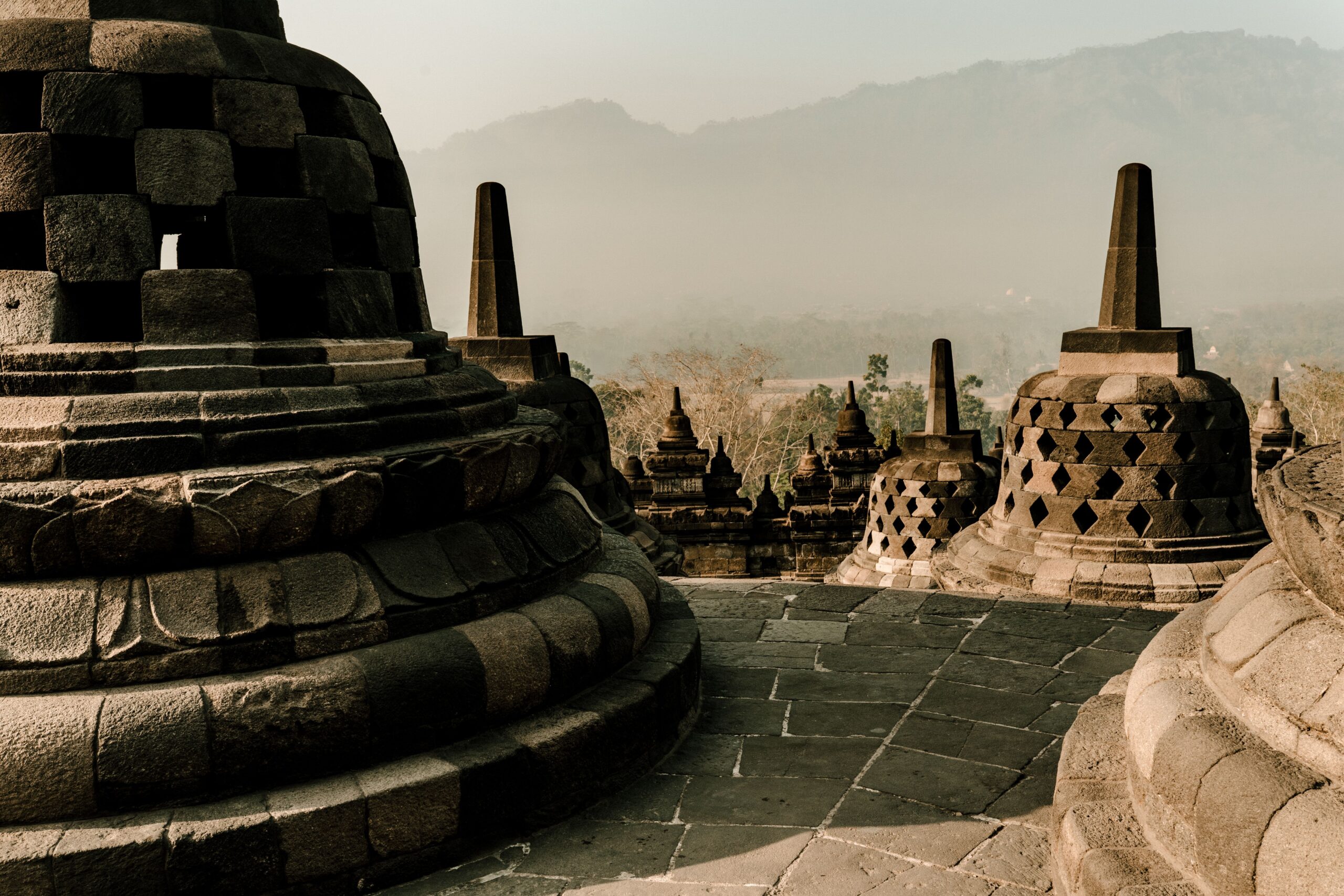
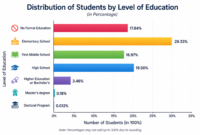
Based on the research by Rijanta Subari from Gadjah Mada University, Borobudur and its complex can contribute to economic growth by almost 12,77% in Kecamatan Borobudur only(Subari; R. Rijanta 2007). Nonetheless, the impact has not been fully enjoyed by the people there. Unemployment or non-formal workers still dominate the demographics of people around Borobudur Temple. Therefore, the strategy to manage Borobudur is far from ideal.
Here we have a winning formula, a historical monument that has global recognition and a strategic location close to another reputable tourist object, Yogyakarta. What actually happened with Borobudur.
Reasons why to Manage Borobudur is Challenging
Borobudur Temple is widely regarded as an important monument in Indonesia. In 2022, President Joko Widodo stated that his administration focuses on developing Borobudur to the same level as Bali (2022). This statement makes a clear objective for his office that the strategy to manage Borobudur is a top priority. After Jokowi’s statements, there are clear infrastructure projects in Borobudur, such as a newly built road, the development of solar-powered streetlights, and incoming investors who are developing accommodation for various social groups and economic levels(2022).
Notwithstanding, the development of Borobudur is always at the centre of debate: what kind of tourism vision should be implemented here? At first, inviting as many tourists as possible would sound like a logical vision. Yet, we should weigh the profit and the risks that come with a tourist before we expand the business model. For example, in Siem Reap, Cambodia, it is US$ 497.76; this is based on the average expenditure per tourist by CEIC. Meanwhile, in Borobudur, the spending rate per tourist, based on predictions, is about US$80-US$230 (Based on non-governmental assessments of hotel and ticket spending; there is no official report like in Cambodia). To make matters worse, tourists spend an average of 6 days in Siem Reap, compared to only a day trip to Borobudur.
This number should be compared to the detrimental impacts on Borobudur itself. Based on the research by Arimurti Kriswibowo (Kriswibowo et al. 2025). There are various negative impacts on tourism in Borobudur, such as rising pollution levels around the Borobudur complex, damage to the andesite stair construction, and increasing levels of plastic waste in the Borobudur complex. Simultaneously, the newly constructed hotels, resorts, cafes, and other facilities are also impacting the quality and quantity of the land and water in the Borobudur complex
So, in short, Borobudur has not yet had a real economic impact after massive development, yet the negative impacts on Borobudur’s environment have started having negative effects on the people around there. So, increasing the amount of tourists is not the answer because rising registered tourists are not equal to economic contribution and actually can be frustrating for the Borobudur environment, which, if we want to rehabilitate or recondition it, we need even more budget. It is not a sustainable economic model.
The Solution to Manage Borobudur
Before the government goes a step further in developing Borobudur’s complex, it should start with one simple question: what is our vision to manage Borobudur? There are many choices, but not all are implementable.
For example, there is an idea to make Borobudur an exclusive area for people who want to enjoy the high-class, spiritually themed area. This will increase the average spending per tourist. Yet, Borobudur is very close to the urban area and isolating this area would be a complex task to do and maybe not very feasible to do.
Secondly, the idea is to make Borobudur the centre of spiritualism and environmentally based tourism. Nonetheless, it means that the Borobudur temple should be developed on the basis of Buddhism, and people need a strong Buddhist culture around there. Without trying to trigger any controversy, the area around Borobudur is just like other parts of Indonesia; it is quite diverse, and people are not strongly rooted in Buddhism around the Borobudur temple, though no more than 10 kilometres from Borobudur, Mendut has been famously known as the Buddhist centre. Therefore, in terms of ambience, Borobudur can hardly compete with several Buddhist sites in Thailand, Myanmar, or other parts of the Buddhist world.
Thirdly, the government can focus on managing the area first; there must be a spiritual area where it is pure, quiet, and people can be with themselves there. Meanwhile, the traditional market area should be relocated out of the temple complex and rebranded as a place for people to enjoy the hospitality of Indonesians. Next, the hotels and other kinds of accommodation should follow strict rules to ensure that the vicinity of Borobudur is environmentally protected.
For now, if we should consider everything. The government’s best choice is to be humble with Borobudur. It needs to be developed for maximum gain for the people and the government there, but at the same time, gradual growth focusing on sustainability will be a better choice.
References
Kemenkeu. 2022. “Progress Proyek KPBU Pengembangan Zona Otorita Borobudur,” 2022. https://kpbu.kemenkeu.go.id/berita/read/1331/progress-proyek-kpbu-pengembangan-zona-otorita-borobudur.
Kriswibowo, Arimurti, Bambang Supriyono, Suryadi, and Bambang S. Haryono. 2025. “Pathways to Cultural and Environmental Sustainability at the Borobudur World Heritage Site: Collaborative Governance through Community-Based Spiritual Tourism.” Journal of Cul\ural Analysis and Social Changes 10 (2). https://doi.org/https://doi.org/10.64753/jcasc.v10i2.1957.
Subari; R. Rijanta. 2007. “Pengaruh Pemanfaatan Lingkungan Obyek Wisata Candi Borobudur Terhadap Ekonomi Masyarakat Di Sekitarnya.” Gadjah Mada University.
Temple, Admin Corporate Borobudur. 2022. “Presiden Joko Widodo Meninjau Destinasi Wisata Candi Borobudur,” 2022.




2 comments