


The Background: Why I Need a Muscle Diet
I started hitting the gym after several months and eating a muscle diet. Usually, I would be happy to exercise at home, but now I want to focus more and take it seriously. I don’t have an exact target, but I’m trying to build the habit of going to the gym, as James Clear teaches in Atomic Habits. Nonetheless, I started to get into it. One thing I realised is that practice accounts for only 20 to 30 per cent of your results. Although I’ve said I don’t want to be obsessed with results, I still want to see some improvement. Therefore, a muscle diet, which I translate into a diet that works for my muscles.
The person who inspires me most when it comes to nutrition is Calina Liang, who plays Chun-Li in the upcoming Street Movie film. She is working hard on her diet to expand her thighs to match Chun-Li’s look in the movie. I think eating plays a vital role in generating results, especially since your hard work should be matched by nutrients from a muscle-building diet.
The Practicality
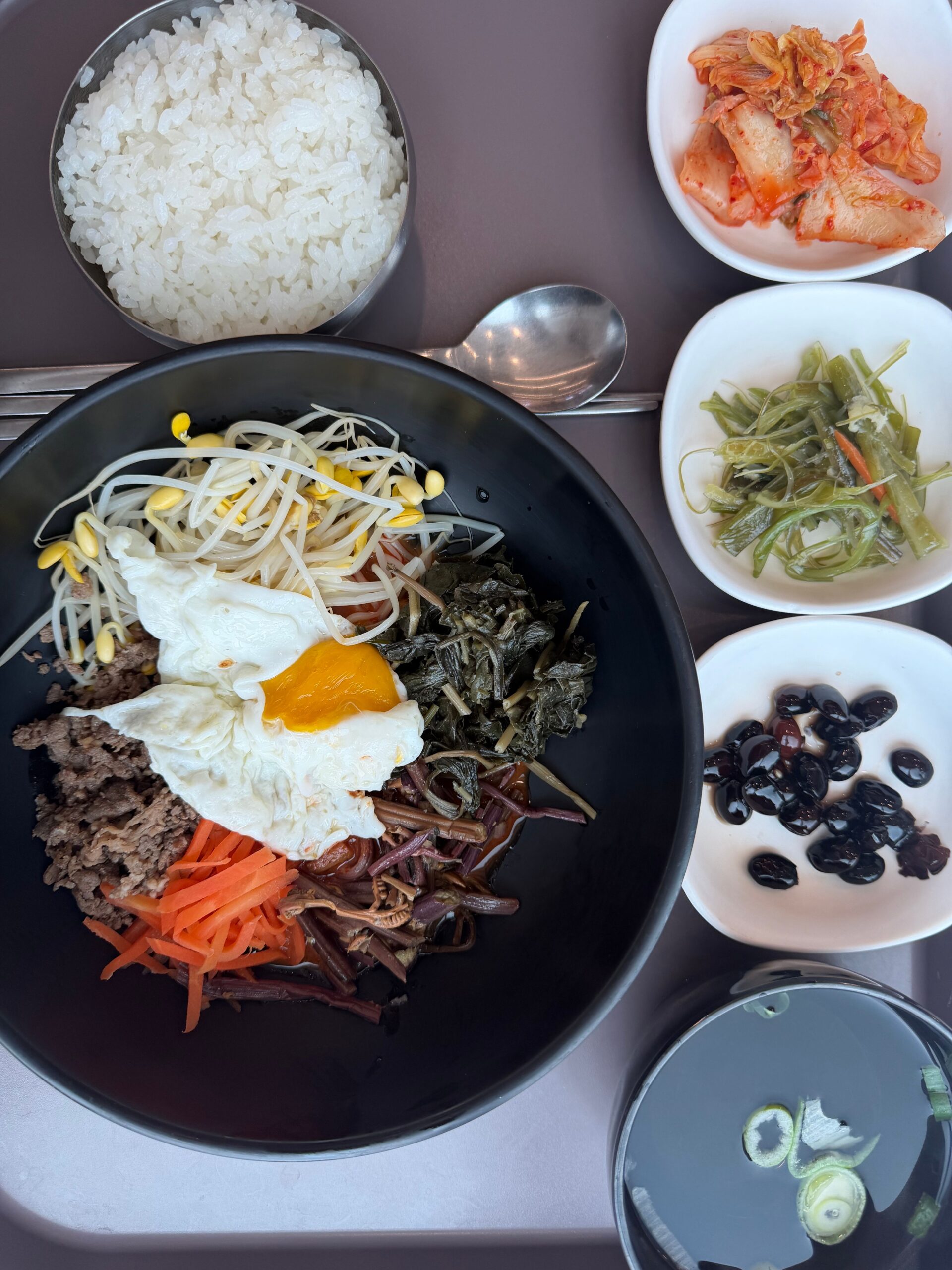
I cannot lie that I want things to be practical. So I chose bibimbap, or at least the concept of Bibimbap, for my whole diet. Bibimbap actually comes from the Korean tradition of using leftover vegetables in the kitchen, which people in South Korea mix with gochujang or chilli sauce. This dish originated because people didn’t want to waste anything.
However, the concept is actually delivering something new: a bowl of rice with colourful vegetables. The American Heart Association and Mayo Clinic state that colourful vegetables mean different nutrients; therefore, your body’s needs will be fulfilled accordingly.
For example, if you only eat greens, your body may suffer from the negative effects of greens, such as oxalates. A high dose of oxalates will trigger kidney stones, a disease that is not fatal but would be quite hurtful. By getting various colours on your plate, you prevent problems from ‘overdosing ’ on nutrients.
The Fibre and Enriching Nutrients
Several favourite vegetables will always be on my plate (or bowl). The bean sprout is the first one; the bean sprout is traditionally in a bowl of classic Bibimbap. Bean sprouts have a rich amount of protein, which is around 3- 9.5 grams per 100 grams. Moreover, bean sprouts contain folate and vitamin E to support skin health.
Next, carrot is another important part of my Bibimbap. Carrot is rich in vitamins. A. Another element is zeaxanthin, which helps protect your retina and prevent calcification in your eyes. Although carrots don’t directly affect your protein intake, they can help lower your blood pressure and cholesterol, which is very important to keep yourself fit. The bonus is the fibre to make sure that the Beijing incident would not happen to you.
Caisim or Choy Sum is another star in my Bibimbap. Choy Sum is known for strengthening bones and helping you lose weight. This vegetable is an unappreciated hero but surely important.
For the protein, there are various options. Yet, the sukiyaki beef cut is among the favourites. It would not be chewy, is delicious and has enough protein for your muscles.
Those are four elements that I think need to be in my bowl of Bibimbap. Yet, if you want to add a twist, that’s fine; I would say eggplants, for example, are not a bad choice for your Bibimbap.
Of course, don’t worry about carbs, since the rice under the stack of vegetables and meat will fill that role. I would say any kind of rice is fine, but my favourite is Japonica, which I think is tasty and pairs well with the sauce, which is a mix of chilli powder, gochujang, and sesame oil.
So, are you ready for your bowl of Bibimbap for a muscle diet?
